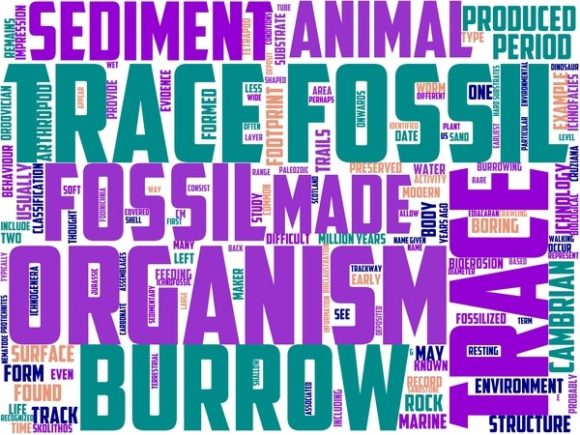
Paleoichnology Wordart Book Cover: A Creative and Inspiring Design
The Paleoichnology Wordart Book Cover is a unique and visually striking design that blends the scientific study of ancient traces with artistic expression. This hand-drawn, colorful wordcloud offers a versatile and inspiring element for a wide range of creative projects. Whether you're looking to decorate clothes, posters, or even jewelry, this design provides a fresh and dynamic way to bring your ideas to life.
What is Paleoichnology Wordart Book Cover?
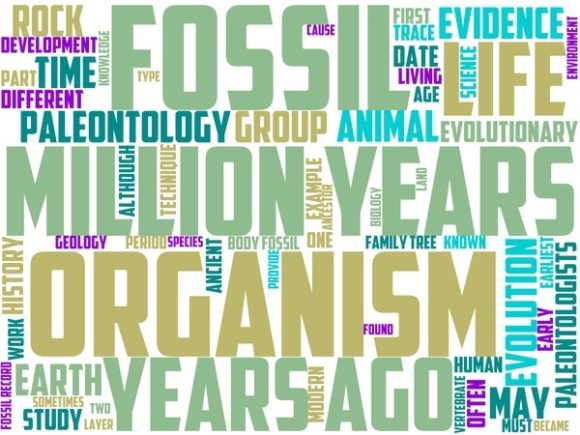
Paleoichnology Wordart Book Cover is more than just an aesthetic choice—it's a concept that merges the discipline of paleoichnology, which focuses on fossilized traces of ancient life, with the art of wordclouds. The result is a design that captures the essence of discovery, history, and creativity. This wordcloud features a mix of words related to paleoichnology, such as "fossils," "traces," "ancient," and "evolution," arranged in a flowing, artistic manner.
Unlike traditional book covers, this design isn't limited to books alone. It's a flexible visual tool that can be adapted to various formats and applications. Its intricate details and vibrant colors make it ideal for those who want to add a touch of uniqueness to their work.
Features and Characteristics
The Paleoichnology Wordart Book Cover stands out due to its hand-drawn style, which gives it a personal and artistic feel. Each letter and word is carefully placed to create a cohesive and engaging visual. The use of color adds depth and dimension, making the design eye-catching and memorable.
One of the key characteristics of this wordcloud is its adaptability. It can be scaled up or down without losing quality, making it suitable for both large-scale projects like posters and smaller items like business cards. The design is also available in multiple formats, including vector and raster files, allowing for easy integration into different software and platforms.
Where Can You Use It?
The versatility of the Paleoichnology Wordart Book Cover makes it a valuable asset for a wide range of users. Here are some common applications:
- Craft Projects: Use it to decorate clothing, bags, and accessories. The design adds a unique flair that sets your creations apart.
- Marketing Materials: Incorporate it into invitations, banners, and flyers to grab attention and convey a sense of innovation.
- Printable Products: Add it to notebooks, journals, and planners for a personalized touch that inspires creativity.
- Home Décor: Print it on pillows, posters, and wall art to bring a sense of curiosity and exploration into your living space.
- Business Branding: Use it as part of logos, packaging, or promotional materials to reflect a connection to nature and discovery.
Whether you're a professional designer, a small business owner, or a hobbyist, the Paleoichnology Wordart Book Cover offers endless possibilities for creative expression.
Who Benefits from It?
This design appeals to a broad audience, including:
- Artists and Illustrators: They can use it as a source of inspiration or integrate it into their own work for added depth and meaning.
- Teachers and Educators: It can serve as a visual aid in classrooms, helping students connect with scientific concepts through art.
- Entrepreneurs: Those in the creative industry can leverage the design to differentiate their products and attract a niche market.
- Students and Researchers: It offers a way to visualize complex topics and spark interest in paleoichnology and related fields.
Its appeal lies in its ability to bridge the gap between science and art, making it accessible and engaging for people from all walks of life.
Strengths and Considerations
The Paleoichnology Wordart Book Cover has several strengths that make it a compelling choice. Its artistic quality and thematic relevance set it apart from generic designs. The hand-drawn style adds a human touch, while the use of color enhances its visual impact.
However, there are a few considerations to keep in mind. Since it's a specialized design, it may not fit every project or brand. Users should ensure that the theme aligns with their overall vision. Additionally, while the design is adaptable, it may require some customization to suit specific needs.
When evaluating whether the Paleoichnology Wordart Book Cover is right for your project, consider the following factors:
- Relevance: Does the theme of paleoichnology and wordart resonate with your target audience?
- Flexibility: Can the design be modified to fit your specific requirements?
- Quality: Is the resolution and format suitable for your intended use?
By addressing these questions, you can determine if this design will effectively support your goals.
Real-World Applications
Let’s look at a few examples of how the Paleoichnology Wordart Book Cover can be used in practice:
- Book Covers: Authors and publishers can use the design to create eye-catching book covers that reflect the content's themes.
- Event Promotions: For science fairs, museums, or educational events, the design can be used in promotional materials to draw in attendees.
- Custom Merchandise: T-shirt printers, stationery shops, and online retailers can offer products featuring the design to cater to niche markets.
- Classroom Decor: Teachers can use it to create engaging learning environments that encourage curiosity and exploration.
These applications highlight the practical value of the design and demonstrate its potential to enhance various projects.
Conclusion
The Paleoichnology Wordart Book Cover is a powerful tool for anyone looking to infuse creativity and meaning into their work. With its unique blend of science and art, it offers a fresh perspective that can inspire and engage audiences. Whether you're a creator, educator, or entrepreneur, this design provides a versatile and meaningful way to express your ideas.
By understanding its features, applications, and suitability, you can make an informed decision about incorporating it into your next project. The Paleoichnology Wordart Book Cover is more than just a visual element—it's a statement of creativity, curiosity, and innovation.